
Gallery: the landscape around Clapham
This page has been a gallery for as long as the address has existed, and it remains one. What it shows is the country itself: the valley, the lanes, the woodland edge, and the domestic English landscape of gardens and garden rooms that goes with them.
The valley
The defining view here is westward from the ridge above the village, across the Great Ouse valley. It is a long, low, layered view — hedged fields stepping down to the river, willows marking the water course, a church tower or two on the far side, and a horizon that on a clear day runs for many miles. It is at its best in the hour before sunset in early autumn, when the light comes in almost horizontally and every hedge line casts a shadow.
The river meadows below flood most winters. When they do, the valley briefly becomes a chain of shallow lakes reflecting the sky, and enormous numbers of wintering birds arrive. It is worth the cold.
The lanes
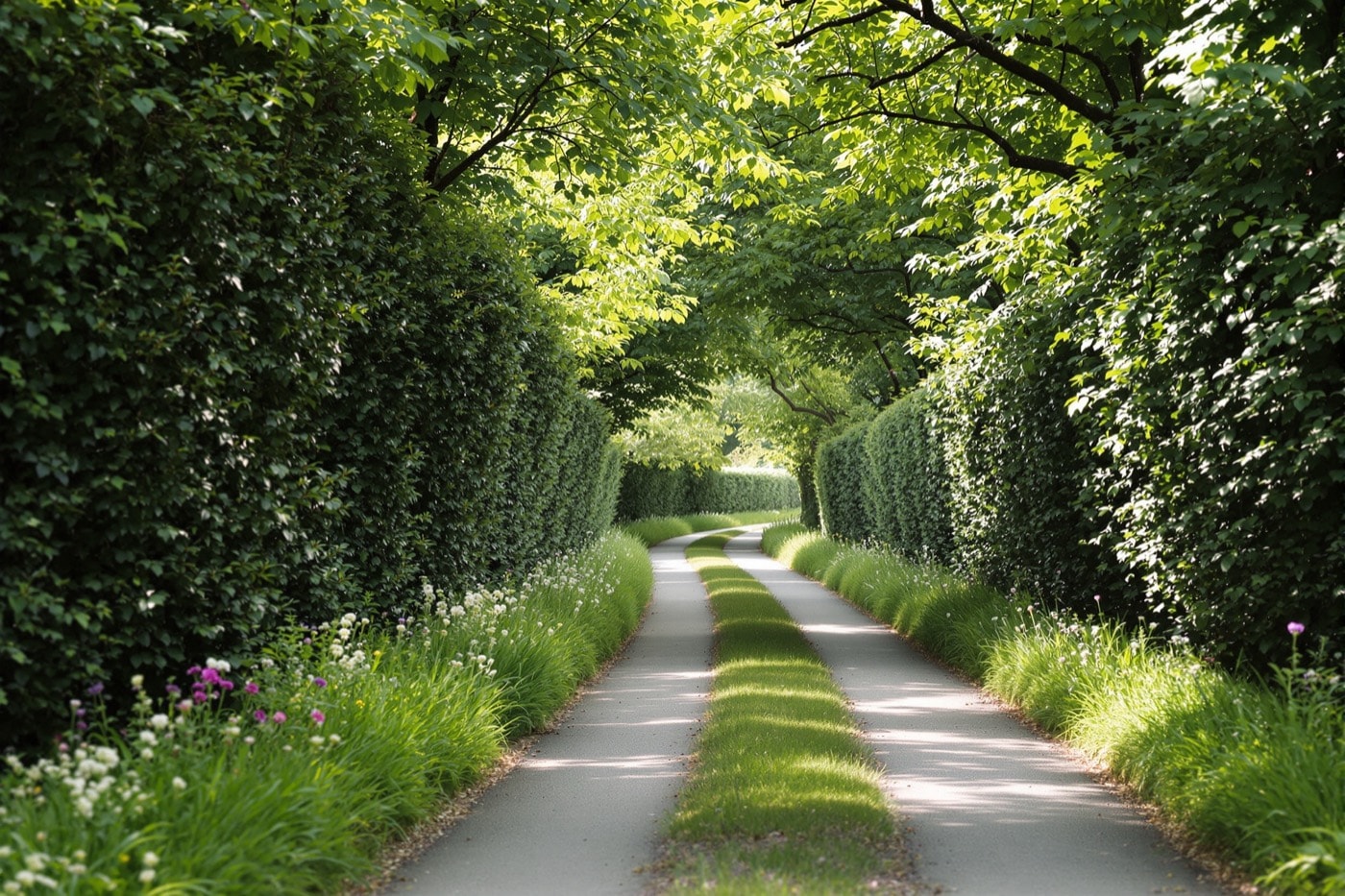
The lanes on this side of Bedford are narrow, hedged, and often sunk slightly below the level of the fields from centuries of use. They are the reason the area feels more enclosed and more private than a map suggests. In late spring the hedge bottoms carry cow parsley, red campion and stitchwort in sequence; by August they are dusty and full of blackberries.
Walking rather than driving them is strongly recommended and is covered on the walking page.
Woodland
Clapham Park Wood, immediately west of the village, is the nearest substantial block of ancient woodland and one of the reasons the area holds the wildlife it does. Ancient woodland — continuously wooded since at least 1600 — supports plant and invertebrate communities that cannot be recreated by planting, and the bluebell display in late April is the visible consequence of that continuity. More on the woods and green space is on the parks page.
Gardens and garden rooms
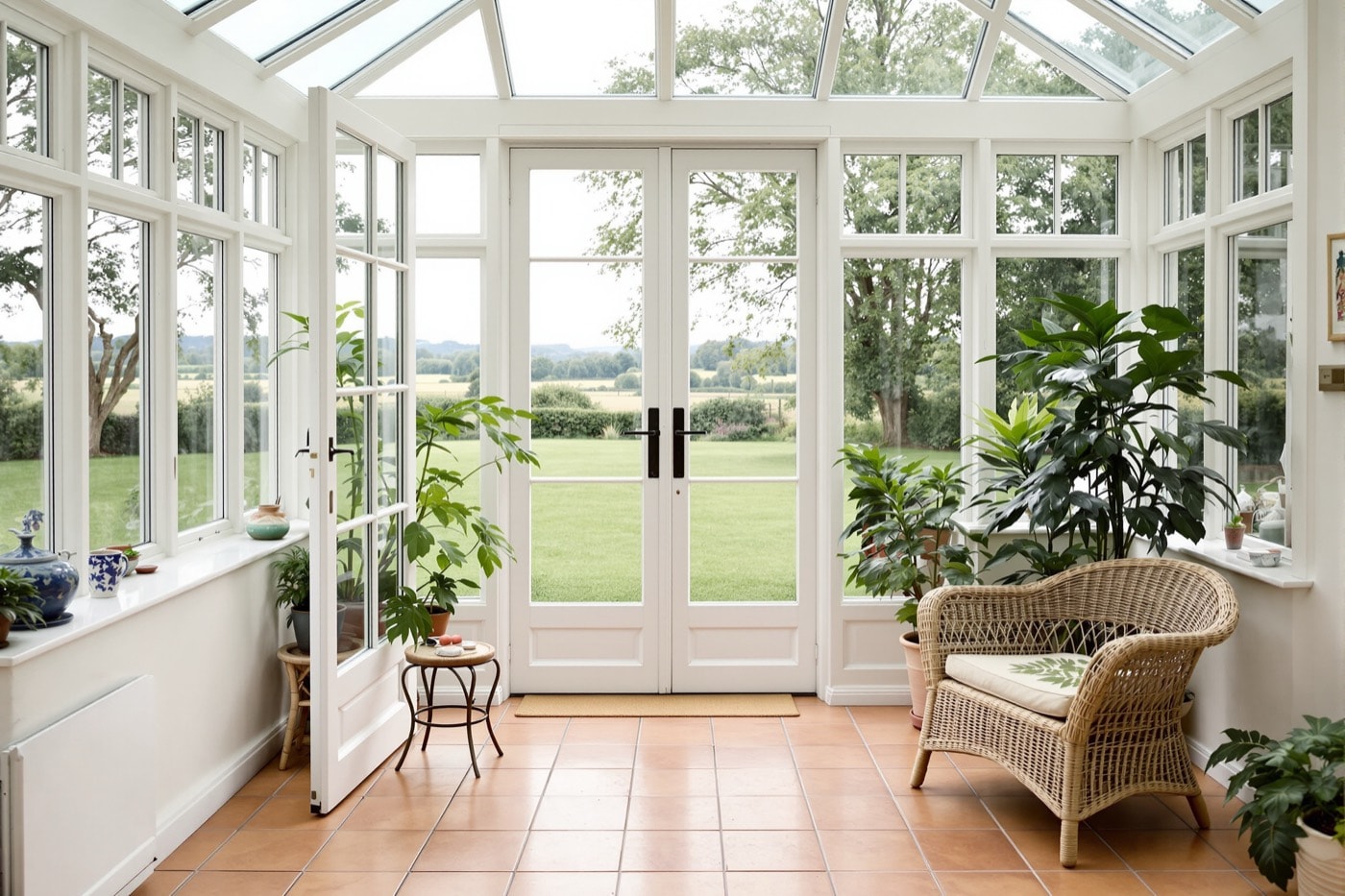
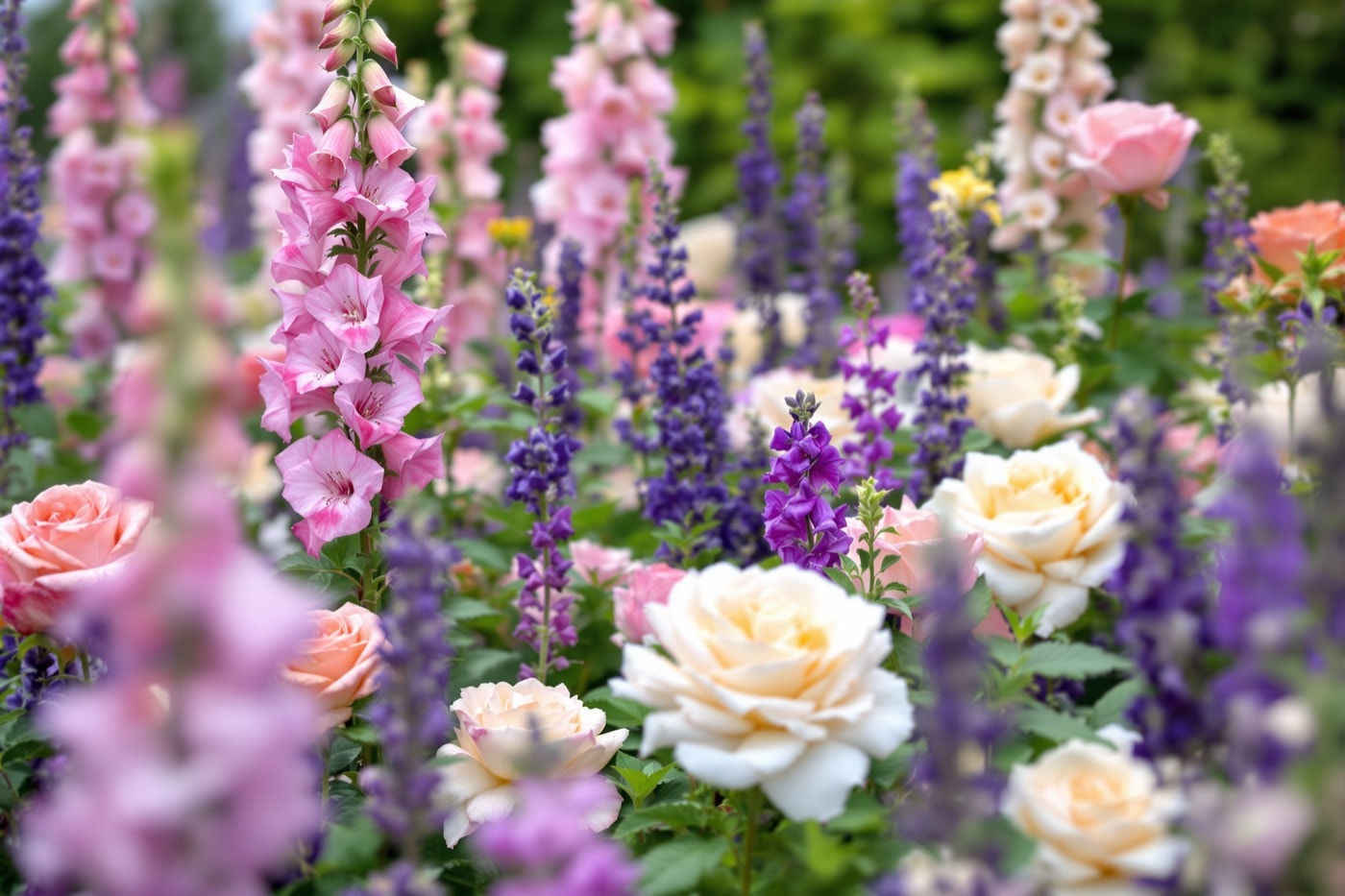
The domestic side of this landscape is the English country garden: deep mixed borders, mown lawn, a wall or hedge to keep the wind off, and very often a glazed room built onto the back of the house to extend the usable year. In a climate this grey the garden room is not a luxury but a practical device, and it is a characteristic feature of the larger properties in these villages.
The airfield plateau
Up on the flat ground the character changes completely. The hedges thin out, the sky takes over, and the wind arrives from the west with nothing to stop it. The surviving wartime structures sit in that openness looking exactly as exposed as they were designed to be. The story of the place is on the airfield page, and the statutory record of protected buildings nationally is held by Historic England.
Photographing the area
Three practical notes for anyone bringing a camera. The best light is early and late; the middle of an English summer day is flat and unrewarding here. Winter is underrated, because the bare trees expose the earthworks, ridge-and-furrow and building lines that summer hides. And almost all of the land is private working farmland — stay on the public footpaths, which are plentiful and well marked, rather than crossing fields.
The villages these pictures come from are described on the area page.