
Countryside accommodation around Bedford: what to expect
This is an explanatory page on an independent guide. This site is not an accommodation provider, holds no rooms, and takes no bookings or enquiries of any kind. This page describes what rural bed-and-breakfast accommodation in this part of Bedfordshire is generally like, so that visitors know what questions to ask whoever they do book with.
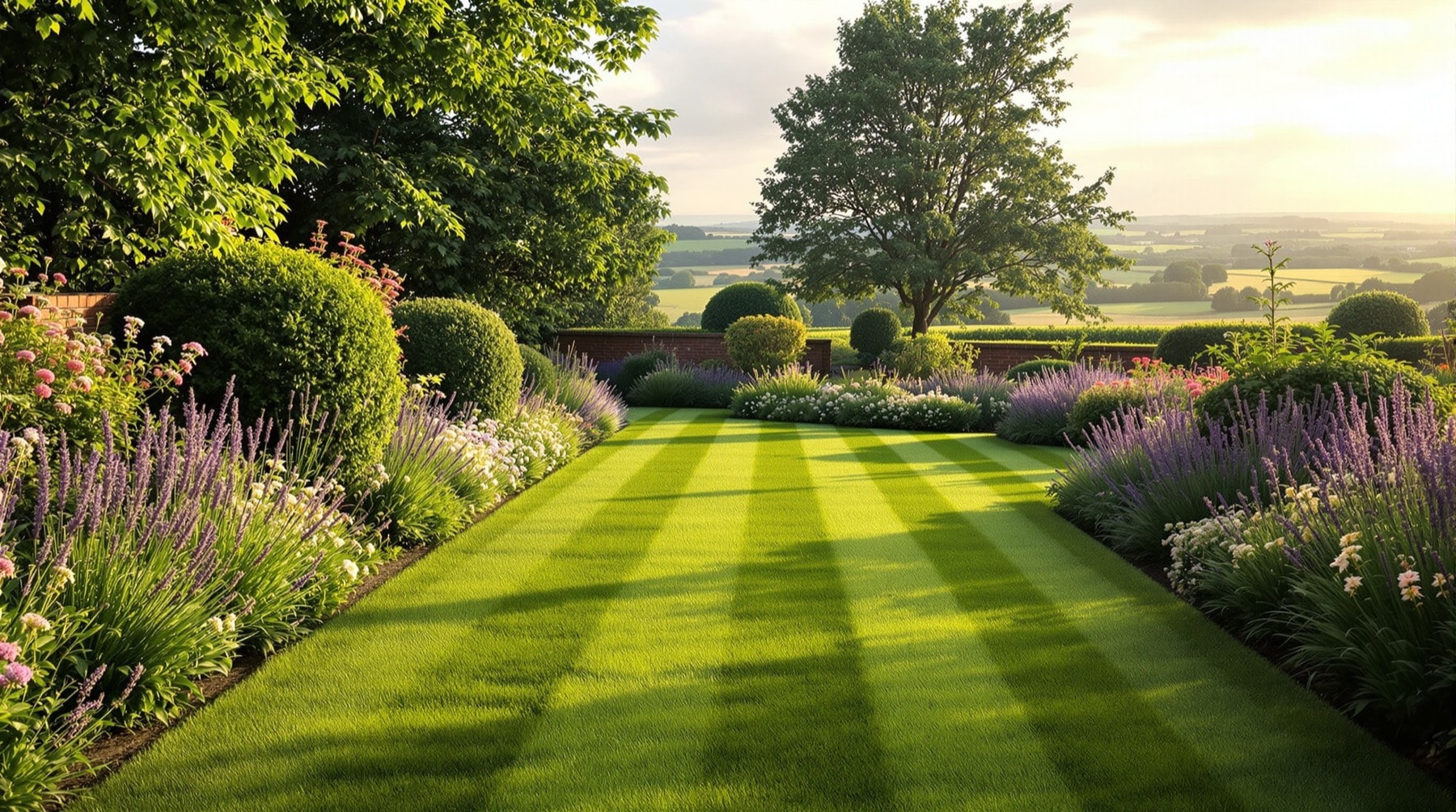
This address published accommodation information for many years, and the page has kept its original URL. What follows is background rather than an offer.
The shape of a country B&B
Rural bed and breakfast in England is a distinct category, and it is easy to arrive with hotel expectations and be either disappointed or delighted for the wrong reasons. A typical countryside B&B around Bedford is a private house — often a converted farmhouse, a bungalow or a substantial Victorian property — in which three or four rooms are let to guests. It is somebody's home first.
What follows from that is a set of consistent characteristics:
- Small scale. Three to six rooms is normal. You will meet the people who run it, and quite possibly the other guests over breakfast.
- Ground-floor and converted rooms. Many rural properties here are bungalows or single-storey extensions, which means step-free ground-floor rooms are more common than in town hotels — though never assume it; ask.
- En-suite as the modern default. Twenty years ago shared bathrooms were routine. Today most rural B&Bs in the area have converted to private en-suite facilities, but a minority still offer a private bathroom across the corridor rather than in the room. This is exactly the kind of detail worth confirming.
- Room types. Doubles and twins dominate. Family rooms — a double plus one or two single beds — are common in larger properties. Genuine single rooms are increasingly rare, which affects pricing; see how B&B pricing works.
Access and coming and going
The single practical difference between a country B&B and a hotel is entry. Hotels have a manned desk; a private house does not. The near-universal solution is a guest key and, in many properties, a separate guest entrance so that visitors can come and go at any hour without disturbing the household. If you expect to return late from an event or a long walk, establish the arrangement before you arrive rather than after.
Parking is one of the genuine advantages of staying outside the town. Rural properties here almost always have free off-street parking, often for several vehicles, which in central Bedford is neither cheap nor easy.
In-room provision
The standard set across the category is modest and reliable: a bed with proper bedding, storage, a kettle with tea and coffee, a television, and often a small fridge to keep milk fresh. Items such as hairdryers and irons are typically available on request rather than sitting in every room — a small-property economy that catches people out.
Wireless internet is now expected but is not always uniform. Rural Bedfordshire has patchy fixed-line broadband and thick stone or solid brick walls, and it is common for a signal to be strong in a lounge or conservatory and weak in a back bedroom. If you need to work, ask specifically about coverage in the room rather than in the building.
Self-catering
A number of properties in the area also let a self-contained unit — a converted annexe or flat with its own kitchen, living space, bathroom and one or two bedrooms. These suit families, small groups and longer stays, and are usually priced by occupancy rather than by the room. Typical provision runs to a cooker and hob, fridge, microwave, washing machine, television, and a full set of crockery and cutlery; outdoor space and a barbecue are common in the countryside and almost unknown in town.
Self-catering changes the economics of a stay considerably for anyone staying more than two or three nights, particularly outside the summer events season.
Standards and gradings
UK accommodation may be assessed under national quality schemes that award star ratings against published criteria covering cleanliness, service, bedrooms, bathrooms and food. The ratings are voluntary and many perfectly good small properties are not assessed at all, so their absence signifies nothing much. VisitBritain is the national body behind the schemes and explains what each grade actually means. General practical guidance for visitors to the UK is published on GOV.UK.
Booking sense for this area
Two local factors are worth knowing. First, the summer aviation-heritage events on the old airfield fill accommodation across the whole borough, sometimes months ahead — if your visit coincides, book early or stay further out. Second, Bedford has a substantial midweek business trade, so weekday availability in the town can be tighter than weekends, while the reverse is often true in the villages.
Further practical questions are covered on the visitor questions page, and what breakfast usually looks like is described on the breakfast page. For what this site is and is not, see about this site.